
Table of Contents
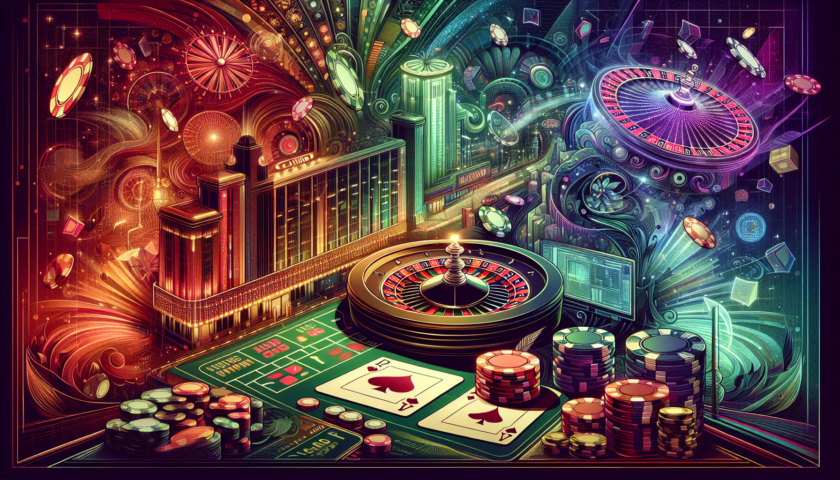
There’s something undeniably magnetic about the moment a reel aligns, lights burst, and music swells inside an online casino. It’s not just the thrill of winning that holds a player’s attention but a careful orchestration of sound and visual design. Digital gambling platforms have evolved far from simple number generators into immersive entertainment spaces, using sensory details to sustain engagement. Especially when bonus features are in play, design touches deepen the perceived excitement and value of each spin.
Modern gaming developers know that experience is currency. Whether you’re exploring loyalty programs or chasing a no account casino bonus, your perception of value often ties directly to how a casino “feels.” The heartbeat rhythm of a countdown timer, a sparkle animation right after a small win—these small cues keep your brain fascinated. And though the thrills may seem spontaneous, they’re calculated with remarkable precision.
Sound And Visuals In Casino Environments
The online casino space is built on engineering emotions. A winning jingle or subtle background melody can anchor memory, establishing familiarity with specific games. Bright hues and motion capture attention even before logic kicks in. Perhaps that’s why many platforms blend cozy sound loops with vivid imagery, aligning sensory pleasure with gameplay rhythm.
Subtlety Behind The Chaos
Behind the excitement lies strategy. Developers often spend weeks fine-tuning a single chime, ensuring it elicits comfort, not chaos. If you hover over an image or button on some platforms, tooltips show quick hints, like this one, guiding players through a visual maze that’s deceptively intuitive.

How Sounds Trigger Emotions
It’s almost impossible not to react when certain notes hit just right. Sound taps into primitive reactions, stirring hope or suspense at just the right moment. For instance, rising pitch patterns mirror human anticipation. Coin noises mimic reward centers in our brains. In bonus rounds, this becomes a psychological feedback loop—anticipation, release, relief, and repeat.
It can make one linger longer at a virtual slot or return to the same game that “feels lucky.” Even pauses between spins have significance. A slightly elongated gap before revealing the final symbol amplifies suspense—a proven emotional anchor.
The Visual Stimulation Of Slot Play
Every animation, every sparkle pattern, leads you somewhere emotionally deliberate. Dynamic lights during jackpots and flowing graphics during mini bonuses transform routine plays into mini narratives. Online casinos have borrowed from film theory and UX design, applying cinematic progression to highlight reward pathways.
Evolving Graphics And Player Trust
Interestingly, players often equate better visuals with greater fairness or professionalism. Smooth animations subconsciously suggest reliability. The user interface quality itself can inspire trust—something many might not admit but probably sense.
Technology And Sensory Evolution
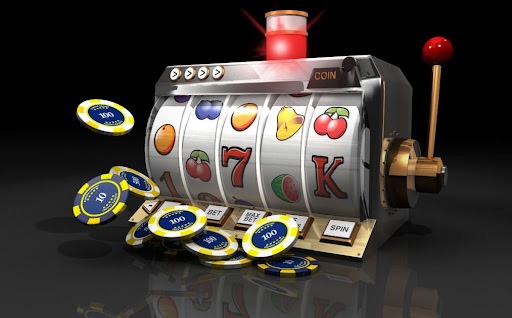
The leap from static reels to immersive 3D environments wasn’t just a technical upgrade—it rewired expectation. Today, AI-assisted audio tools shape ambient background tone depending on time spent on site or user behavior. Some casinos even test personalized ambient themes for returning users, subtly adjusting lighting intensity and sound speed.
Comparison Table Of Player Response Elements
| Design Element | Emotional Trigger | Effect On Engagement |
|---|---|---|
| Sound Effects | Excitement, Reward | Increases Duration |
| Lighting Animations | Anticipation | Boosts Emotional Involvement |
| Bonus Reveal Graphics | Surprise | Enhances Memory Retention |
Core Design Elements That Drive Engagement
Developers focus on three intertwined layers to keep players emotionally engaged throughout their bonus journeys:
- Audio coherence: establishing a mood that matches gameplay rhythm.
- Color fluidity: ensuring that visual transitions promote calm rather than chaos.
- Tactile illusion: recreating near-physical “touch” sensations through animation bounce and spin deceleration.
None of these individual aspects would work in isolation. Together, however, they form a communication loop—a reassurance that every spin leads you toward something more interesting.
Real Player Perspectives
When discussing these sensory details with seasoned players, the feedback often echoes the same theme: good design makes time disappear. You think you’ve been there for ten minutes; it’s actually been closer to an hour. This doesn’t automatically spell risk, but it does highlight how effective these crafted experiences can be.
- Players report stronger connection to visually rich interfaces.
- Sound layers influence perceived fairness.
- Bonus animations sustain replay intentions far better than static rewards.
Ultimately, the design’s purpose is less about trickery and more about atmosphere. People enjoy being absorbed in play. Whether it’s a flashing banner signaling a free spin or the rise of an orchestrated jingle after a jackpot, such moments keep the digital casino world vibrant and memorably human—even when you’re alone at your desk, chasing one last spin.